
Where to Live in Tokyo?―Understanding Tokyo’s Residential Areas
As a real estate agent working with international clients, I’m often asked the same question:
“Which area of Tokyo is the best to live in?”
The honest answer is that there is no single “best” area.
What matters is how each area fits your lifestyle, budget, and daily commute.
Tokyo is a gigantic city, and every neighborhood has its own appeal.
That diversity is one of Tokyo’s greatest strengths. Cutting-edge buildings stand next to long-established local shops that continue to thrive, while new stores and concepts are constantly emerging. Large parks are scattered throughout the city, and neighborhoods continuously evolve as businesses change.
Because of this, Tokyo is an exciting city where there is always something new to discover.
Explaining Tokyo in full detail would require an entire guidebook.
However, to help you grasp the overall picture as a first step before choosing where to live, this article introduces the broad characteristics of Tokyo’s main residential areas.
(For more detailed guidance on how to choose a property, please refer to this article.)
The Four Main + One Areas Around the Castle
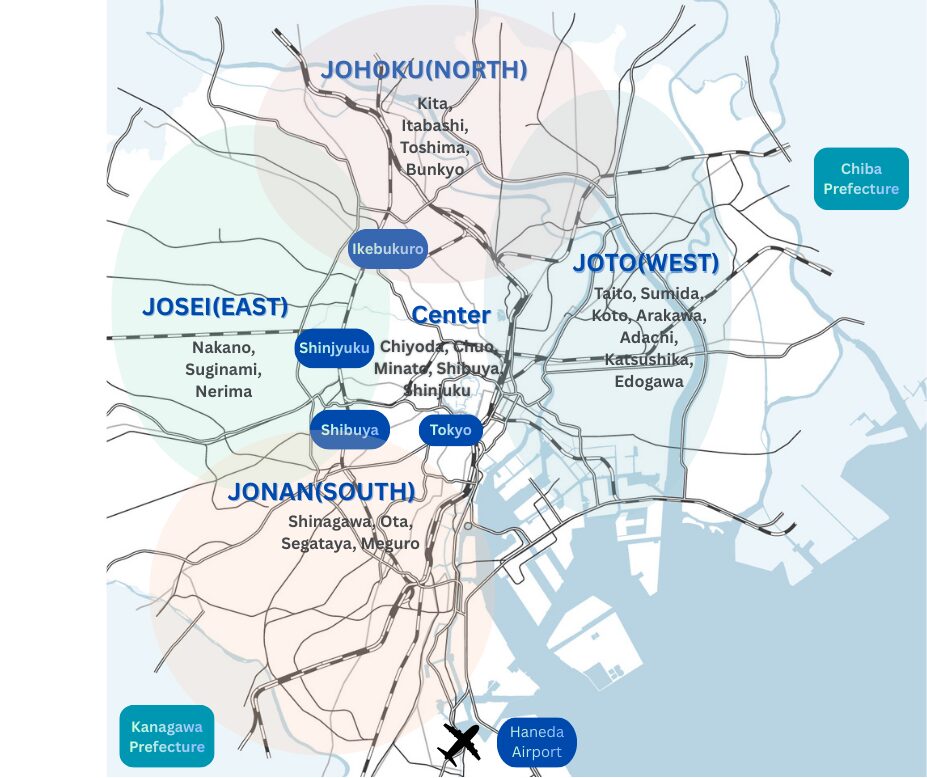
Although Tokyo is vast, it is often helpful to think of it as being divided into four major areas:
- Johoku (North Tokyo:Kita, Itabashi, Toshima, Bunkyo)
- Jonan (South Tokyo:Shinagawa, Ota, Meguro, Setagaya)
- Joto (East Tokyo)
- Josei (West Tokyo)
The prefix “Jo” (城) means castle, referring to the Imperial Palace (formerly Edo Castle).
These areas are defined by their relative position—north, south, east, and west—around the Imperial Palace. These area classifications are informal and may differ depending on the source. For clarity, I would add Central in addition to these 4 areas.
Central Areas
Chiyoda Ward
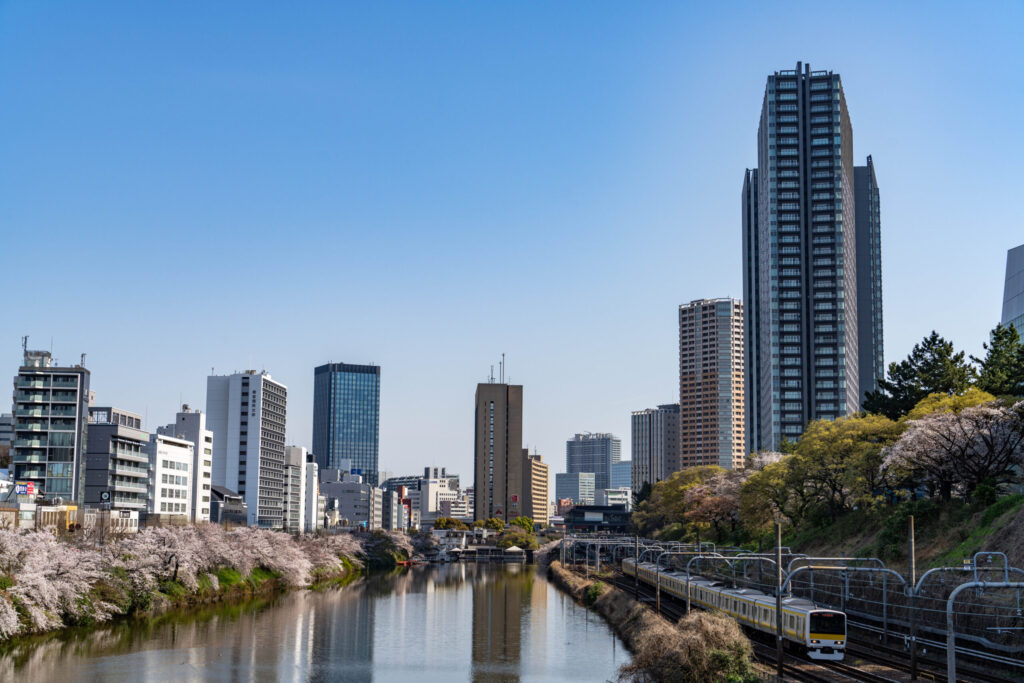
Chiyoda sits at the heart of Tokyo’s 23 wards. It is home to key national institutions such as the Prime Minister’s Office and the National Diet.
At the same time, it includes some of Japan’s most prestigious residential neighborhoods, such as Bancho, along with Marunouchi, one of Tokyo’s best-known business districts, and Akihabara, a global center for electronics and subculture.
All of these areas surround the Imperial Palace, creating a uniquely diverse urban landscape.
Chuo Ward
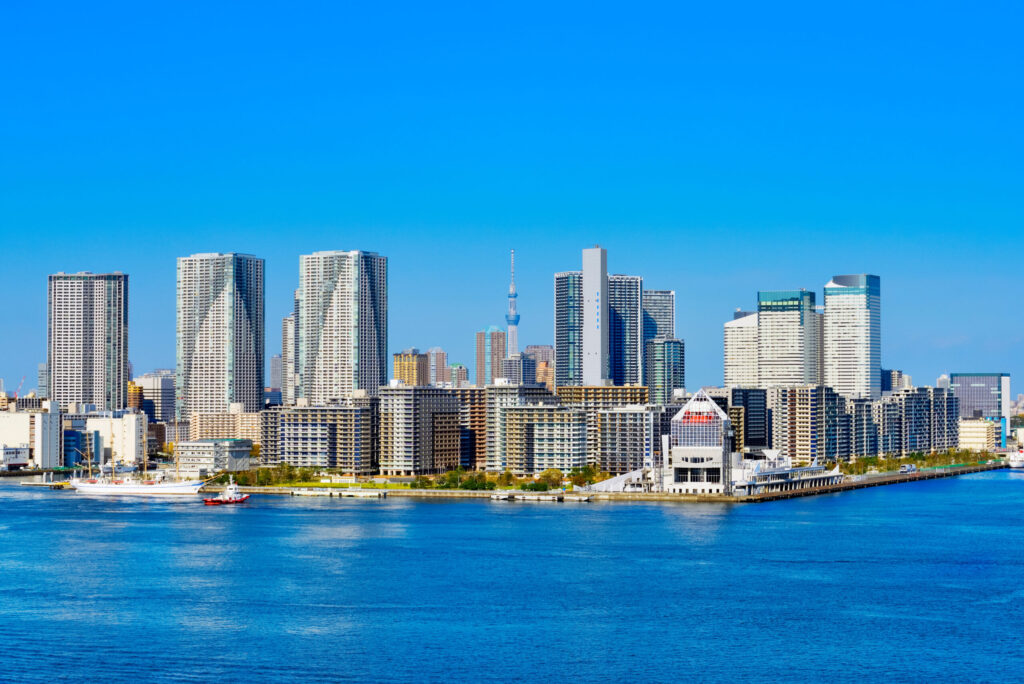
Chuo Ward blends history and modernity. Nihonbashi, the historical starting point of Japan’s major highways, and Tsukiji, known for high-quality food culture, retain a traditional atmosphere.
At the same time, Ginza, one of Japan’s premier luxury shopping districts, and the redeveloped waterfront areas of Harumi and Tsukishima, which played a role in the Tokyo 2020 Olympics, represent a modern and glamorous side of Tokyo.
Redevelopment in Nihonbashi has also led to an increase in high-end modern residences.
Shibuya Ward
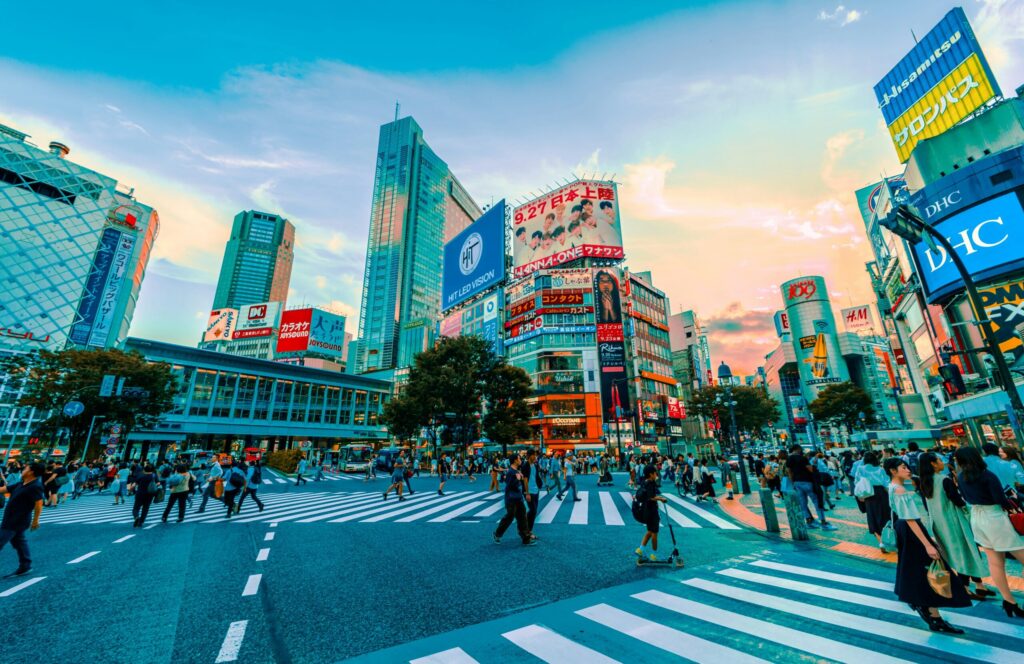
Shibuya Ward is home to Shibuya Station, one of Tokyo’s most iconic and representative downtown districts.
It is widely known as a center of fashion and trends, with numerous large-scale commercial facilities.
Despite being located in the heart of the city, the area also offers abundant greenery, including Meiji Jingu Shrine and Yoyogi Park.
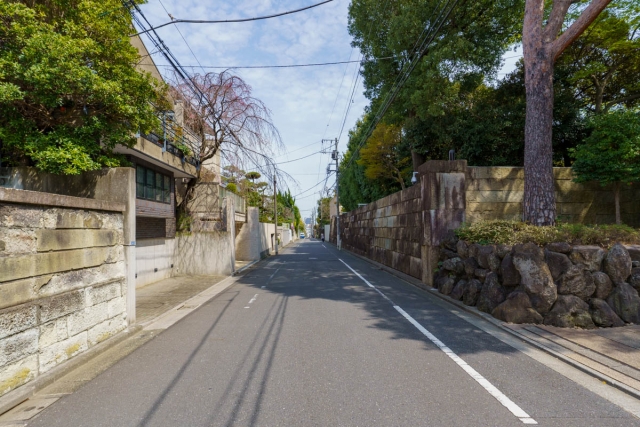
In addition, it features highly desirable residential neighborhoods such as Ebisu, which consistently ranks near the top of “most desirable places to live” surveys, and Shoto, a well-known high-end residential area.
As a result, Shibuya Ward enjoys an excellent living environment as well as strong urban appeal.
Shinjuku Ward
Shinjuku Ward continues to develop around Shinjuku Station, the world’s busiest station in terms of daily passenger volume.
It is home to the Tokyo Metropolitan Government Building and the high-rise office district of Nishi-Shinjuku, as well as major entertainment areas such as Kabukicho, often referred to as “the city that never sleeps.”
At the same time, the ward also includes areas such as Takadanobaba where many universities and educational institutions are concentrated, including Waseda University. Ochiai, which has seen rapid population growth as a residential area in central Tokyo. There are also many Japanese language schools.
As a result, Shinjuku is a diverse area where people of all generations live side by side.
Johoku – North Tokyo
Smart Value, Residential Comfort, and Long-Term Stability
Includes:
Kita, Itabashi, Toshima, Bunkyo
General View
Johoku is where you can find a strong balance between price and livability.
Rents and purchase prices tend to be lower than in central or southern Tokyo, while train access remains excellent.
Major Areas
Bunkyo Ward
An academic district with numerous educational institutions including Tokyo University. It attracts students as well as education-focused Japanese families.
Residential neighborhoods such as Nezu, Gokokuji, and Hongo coexist with historical buildings like the Hatoyama Residence, gardens such as Chinzanso and Koishikawa Korakuen, and historic shrines including Nezu Shrine and Yushima Tenjin.
Toshima Ward
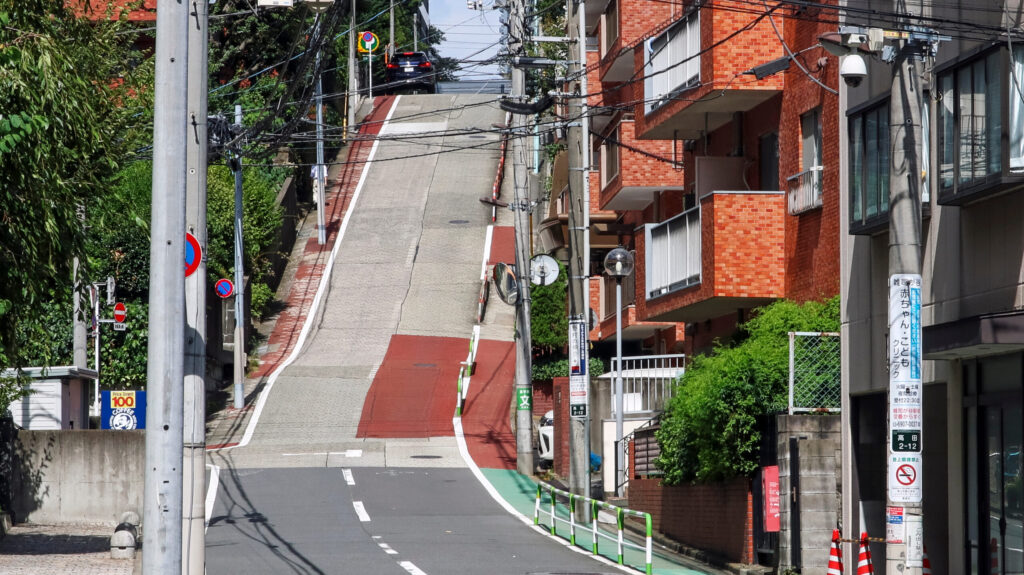
Home to Ikebukuro, one of Tokyo’s major sub-centers, along with Sugamo (“Grandma’s Harajuku”) and the upscale residential area of Mejiro.
Toshima has one of the highest population densities in Japan and excellent access to other prefectures via JR and private railways.
Kita Ward
Known for its large number of JR stations—11 in total, the most in Tokyo’s 23 wards.
Stations such as Oji, Akabane, and Tabata function as important transport hubs with multiple lines.
Itabashi Ward
A residential-focused area that includes large housing complexes such as Takashimadaira as well as traditional upscale neighborhoods like Tokiwadai.
Served by four major rail lines, providing convenient access to central Tokyo.
Schools
- Tokyo University
- Rikkyo University
- Gakushuin University
- Tokyo International University
Easy Access from Johoku
- Direct rail access to Saitama Prefecture and Ibaraki Prefecture
- Close to expressway interchanges, making trips to Nagano and Niigata very convenient (Particularly suitable for those who enjoy mountains over weekends!)
- Rental prices tend to become more affordable north of Ikebukuro
While Johoku is not known as a trendy or fashion-forward area, it offers a rich variety of local shops and restaurants, providing a comfortable and very “Japanese” everyday lifestyle.
Jonan – South Tokyo
International Appeal, Convenience, and Premium Living
Includes:
Shinagawa, Ota, Meguro, Setagaya
General View
This area retains its reputation as a high-end residential zone due to its historical background of former daimyo estates and elite residences.
It offers a rare balance of trendiness, greenery, and calm living environments, and has long been home to many embassies, as well as numerous international schools.
As a result, many international families choose to live in this area.
Major Areas
Meguro Ward
Well known for Nakameguro, famous for cherry blossoms, and stylish neighborhoods such as Daikanyama and Jiyugaoka.
Residential areas like Aobadai, Yakumo, and Komaba are highly regarded. The ward also features historic slopes and landmarks.
Shinagawa Ward
Rapidly redeveloped areas such as Osaki and waterfront districts coexist with traditional shopping streets like Togoshi-Ginza, Hatanodai, and Musashi-Koyama. The Jonan Gozan area is a discreet but prestigious residential zone. Shinagawa also serves as a gateway to the Shinkansen and Haneda Airport, making regional and intercity travel highly convenient. With large-scale redevelopment projects continuing, the area is attracting growing attention.
Ota Ward
Home to Haneda Airport, along with upscale residential areas such as Denenchofu and Sanno. This area historically had a high concentration of small factories, and even today you can find a blend of old townscapes woven into the neighborhood.
Its excellent access by train, car, and plane, combined with abundant greenery, makes it very popular with families.
Setagaya Ward
The most populous ward in Tokyo. Known for large parks such as Komazawa Park and Kinuta Park, and home to many foreign families.
Prestigious residential areas like Seijo and the redeveloped Futakotamagawa, where Rakuten’s headquarters is located, attract many expatriates.
Schools
- High concentration of international schools and preschools
- University of Tokyo (Komaba Campus)
- Keio University, Sacred Heart University, Komazawa University, Nippon Sport Science University
- Keio University Hiyoshi Campus (in neighboring Kanagawa)
Easy Access from Jonan
- Easy access to Tokaido Shinkansen
- Easy weekend trips to Hayama, Kamakura, Hakone, and the Izu Peninsula
- Close to Haneda Airport, ideal for frequent travelers
Who I Recommend Jonan To
- Expats and executives
- Clients who value international environments
- Those with flexible budgets seeking convenience
Joto – East Tokyo
Space, Value, and Waterfront Living
Includes:
Taito, Sumida, Koto, Arakawa, Adachi, Katsushika, Edogawa
General View
Compared to the Jonan area, Joto generally offers lower rents, while still providing reasonable access to Tokyo Station.
Its strong downtown atmosphere appeals to those who enjoy traditional neighborhoods.
Major Areas
Adachi Ward
Adachi Ward is rich in natural environments such as rivers and parks, including the Arakawa River.
After developing historically as a post town, the population increased with the expansion of railway networks, and today it has become a popular residential area.
The area around Kitasenju, a terminal station served by five rail lines—including the JR Joban Line, Tokyo Metro Chiyoda Line and Hibiya Line, Tobu Isesaki Line, and the Tsukuba Express—is particularly lively.
The ward has actively promoted redevelopment projects and attracted universities, resulting in a vibrant and dynamic atmosphere.
Arakawa Ward
Arakawa Ward has undergone large-scale redevelopment, particularly around Minami-Senju, which is said to be one of the largest redevelopment projects in Tokyo.
While the influx of families has been notable, the ward still retains traditional streetscapes such as small factories and workshops, and many long-time residents continue to live there.
It is one of the areas in Tokyo where the shitamachi (traditional downtown) atmosphere can be felt most strongly.
Taito Ward
Taito Ward includes Ueno, a major gateway to eastern Japan where Shinkansen lines operate, as well as Asakusa, a highly popular tourist destination.
Because of this, the ward enjoys strong recognition among international visitors.
In addition to serving as a hub for tourism and transportation, Taito Ward is home to many cultural and historical sites, including the Tokyo National Museum, the National Museum of Western Art, and the Former Iwasaki Residence.
Not only the exhibits but also the architectural styles of these buildings can be appreciated.
This is an area where urban sophistication and traditional downtown character coexist.
Sumida Ward
Sumida Ward is characterized by traditional neighborhoods such as Ryogoku, Kyojima, and Mukojima, and a strong downtown atmosphere permeates the entire ward.
While preserving a deep connection to history and culture dating back to the Edo period, Sumida Ward has continued to evolve by balancing tradition and innovation.
In recent years, redevelopment has progressed alongside the opening of Tokyo Skytree, symbolizing this coexistence.
Koto Ward
Koto Ward faces Tokyo Bay and is characterized by its many rivers and canals.
This area was reclaimed during the Edo period and developed over time.
Neighborhoods such as Fukagawa and Kameido retain a strong downtown culture and a warm, community-oriented atmosphere.
At the same time, waterfront areas such as Toyosu and Ariake have seen rapid development, with high-rise buildings and tower condominiums.
These areas also served as venues for the Tokyo 2020 Olympic Games.
Katsushika Ward
Katsushika Ward is known for its strong sense of downtown warmth and for being the setting of classic Japanese films that evoke traditional Japanese life.
Shibamata has been designated as one of Tokyo’s first Important Cultural Landscapes, and scenic sites such as Horikiri Iris Garden, which was selected as one of the famous landscapes of Edo, continue to preserve a rich historical atmosphere.
Schools
- Increasingly popular with families
- Good access to international schools in eastern and central Tokyo
Easy Access from Joto
- Excellent access to Chiba Prefecture, ideal for marine sports and beach activities
- Easy trips to Tokyo Disney Resort and Narita Airport
Josei – West Tokyo
Includes:
Nakano, Suginami, Nerima
General View
This area also extends along the Chuo Line and has a strong and loyal following.
Neighborhoods such as Ogikubo and Koenji consistently rank high in surveys of the most desirable places to live.
Major Areas
Nakano Ward
Nakano Ward is located close to central areas such as Shinjuku, yet it is characterized by a large number of shopping streets and residential neighborhoods, and people from a wide range of generations live here.
It is known as a center of subculture and attracts attention from both within Japan and overseas, particularly for Nakano Broadway, which is filled with shops that are irresistible to enthusiasts and collectors.
At the same time, in recent years, redevelopment projects such as Nakano Shiki no Machi have promoted the attraction of universities and companies, bringing in new groups of residents and further diversifying the area.
Suginami Ward
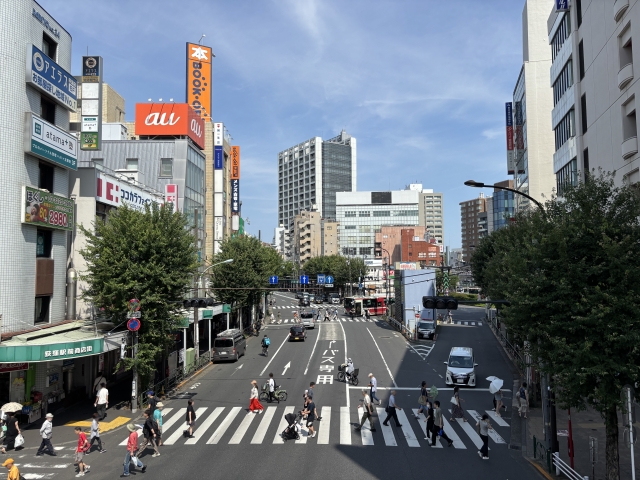
Suginami Ward is a residential area with two faces: the advantages of living close to the city center and the comfort of suburban living.
While it is home to prestigious residential neighborhoods such as Eifuku and Hamadayama, it also has many lively shopping streets and a down-to-earth atmosphere, along with active local events that reflect a strong sense of community.
In particular, seasonal events such as the Asagaya Tanabata Festival and the Koenji Awa Odori attract more than 800,000 visitors from both inside and outside the ward each year, and have become well-loved summer traditions in Tokyo.
Nerima Ward
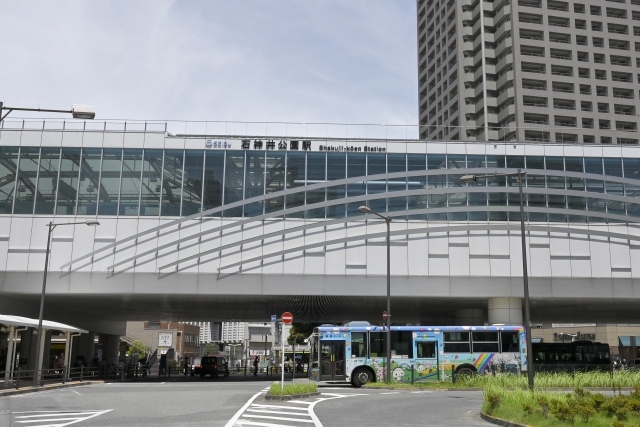
Nerima Ward is known as the birthplace of Japanese animation.
Around Oizumi-Gakuen Station, where Toei Animation is located, there are many spots unique to this “sacred place,” such as Oizumi Anime Gate and Oizumi Yumeteru Shopping Street, and nearly 100 animation production companies are concentrated in the ward.
In addition to its convenient access to central Tokyo, Nerima Ward has the largest amount of greenery and park space among Tokyo’s 23 wards.
Major parks such as Hikarigaoka Park and Shakujii Park contribute to the ward’s reputation as a residential area that successfully balances urban convenience with a green living environment.
Schools
- Chuo University, Seikei University, ICU
Easy Access from Josei
- Convenient access to western Tokyo and Yamanashi
- Popular for hiking, lakes, and Mount Takao
- A good balance of city life and nature
Who I Recommend Josei To
- Professionals and young families
- Clients prioritizing train access and lifestyle
- Those comfortable with competitive markets
Final Thoughts
Tokyo is constantly evolving. While it is impossible to capture every detail, historical trends still shape the overall character of each area.
At the same time, redevelopment projects or sometimes university relocations continue to change neighborhoods.
Again, rather than trying to understand all of Tokyo at once, I recommend first narrowing your options based on commutable distance from your workplace or school.
Also, there is no need to give up simply because popular areas are often associated with higher rents.
Depending on the property’s specific conditions, it is sometimes possible to find reasonably priced options even in highly sought-after areas.
For this reason, it is important not to rule out popular neighborhoods from the beginning and to explore your options carefully.
For more detailed guidance, please refer to the article on key points to consider when choosing a property in Tokyo.
Next Steps in Your Tokyo Home Search
I hope this article has helped you get a general sense of Tokyo as a first step in your home search.
That said, Tokyo is still an enormous city, and choosing the right area can feel overwhelming.
But don’t worry—let’s talk about your home search together. I’ll take the time to understand your preferences and circumstances, and help you identify the area and property that best fit your needs.
As an agent who was born and raised in Tokyo, I’m able to share insights that go beyond what you can find in listings alone—such as the true character of each neighborhood and how it actually feels to live there. I always take the time to listen carefully to each client’s needs and circumstances, and then help narrow down suitable areas and properties together.
As an independent real estate agent, I don’t push properties based on company priorities—I focus on what truly works best for you.
If you have any worries or questions about moving, I’m more than happy to talk them through with you.
Please feel free to reach out anytime—I’d love to help make your move to Tokyo as smooth and stress-free as possible.
To better understand the rental process in Japan, please refer to this step-by-step guide.