
Japan to Require Nationality Disclosure in Real Estate Ownership Records
The Japanese government has announced a series of new measures aimed at improving transparency around who owns land and buildings in Japan, particularly in relation to foreign ownership.
On December 16, the Ministry of Justice announced that individuals acquiring real estate in Japan will be required to disclose their nationality when registering ownership. This requirement will apply to ownership transfers such as purchases and inheritances.
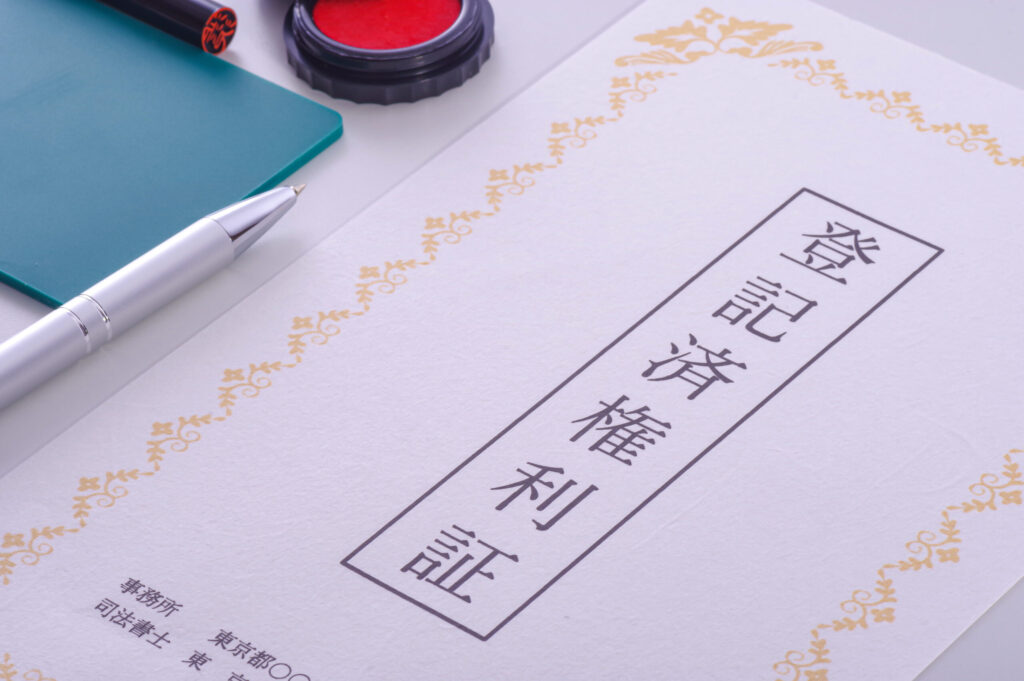
Under the new system, real estate registration forms will include a field for nationality, and applicants will be asked to submit identification documents—such as a passport or resident record—to verify this information. Importantly, Japanese nationals will also be required to provide nationality information, not only foreigners.
To protect privacy, nationality data will not appear on public real estate registers, which are accessible to third parties at Legal Affairs Bureau offices. Instead, the information will be stored internally by the government.
Following a public comment period, the Ministry plans to revise the relevant ministerial ordinance within the current fiscal year, with operations starting in fiscal year 2026.
In parallel, the Digital Agency plans to establish a government-wide database to share nationality information by fiscal year 2027. This will be done using its existing “Real Estate Base Registry,” enabling better coordination across government agencies.
Separately, Yasuyuki Kaneko, Minister of Land, Infrastructure, Transport and Tourism, stated that from April 2026, foreign corporations purchasing large-scale land will be required to report the nationality of their representatives. For individuals, nationality reporting requirements had already been introduced in July 2025. These measures are intended to allow the government to more accurately monitor land use and prevent inappropriate use of sensitive areas such as water sources and forests.
Prime Minister Sanae Takaichi had previously instructed relevant ministries, at a cabinet-level meeting in November, to strengthen nationality tracking at the time of ownership transfer and to make effective use of centralized databases.
Furthermore, the ruling Liberal Democratic Party and the Japan Innovation Party have agreed to draft legislation during the 2026 regular Diet session to further tighten regulations on land acquisitions by foreign individuals and foreign capital. The current measures are seen as a first step toward clarifying the realities of real estate transactions and laying the groundwork for stricter oversight in the future.
What This Means for Foreign Buyers
For most foreign individuals buying property in Japan, this is primarily a transparency and reporting change, not a ban or restriction.
Foreigners will still be allowed to purchase real estate in Japan as before. However, going forward, you should expect additional paperwork at the registration stage, specifically:
- You will be required to declare your nationality when registering ownership (for purchases, inheritances, etc.).
- You will need to submit official identification—such as a passport or residence record—to confirm your nationality.
- This information will be kept internally by the government and will not appear on public property records, so your personal details will not be visible to third parties.
For foreign buyers, this means:
- Slightly more documentation, but no fundamental change to eligibility.
- Longer or more detailed registration procedures, especially for first-time buyers.
- Increased importance of working with professionals who are familiar with the updated process.
Overall, these measures signal that Japan is moving toward greater oversight and data accuracy, rather than closing its real estate market. Foreign buyers who approach purchases properly, and with clear documentation and professional guidance, should not expect major obstacles, but they should be prepared for more formal compliance going forward.
👉 To learn more about Japan’s real estate registration system, check out this article.
If you are considering a property purchase in Japan, I’d be happy to assist you.
I specialize in serving international clients and provide clear, detailed explanations of Japan’s real estate system and local practices for those unfamiliar with the market.
By leveraging the strengths and global network of RE/MAX, I offer reliable, well-informed support throughout the entire process. Initial consultations are completely.