
Best Places to Live Ranking 2026 (Kanto Edition): Where to Live in Greater Tokyo
For foreigners considering a move to or relocation within Japan, choosing “where to live” is a decision just as critical as your career path.
The latest results of the “SUUMO Best Places to Live Ranking 2026 (Kanto Edition)” have been released. This ranking is based on a highly reliable survey of 9,000 residents aged 20 to 49 living in the Tokyo metropolitan area (Tokyo, Kanagawa, Saitama, Chiba, and Ibaraki). SUUMO is one of Japan’s largest and most influential real estate information platforms.
Here are the top areas to watch in 2026 for those looking to start a new chapter in Japan:
🏆 No.1 for 9 Consecutive Years: Yokohama

Yokohama continues its dominance, securing the No.1 position for the 9th consecutive year.
Why professionals choose Yokohama:
- Direct access to central Tokyo (approx. 30 minutes to Tokyo Station)
- International atmosphere and long-standing expat presence
- Coastal scenery and open waterfront spaces
- Large-scale commercial facilities and shopping districts
- High livability score across demographics
For executives working in Marunouchi, Shinagawa, or even Shibuya, Yokohama offers a rare combination: urban convenience with breathing room.
🚉 Living in Central Tokyo: Business Convenience First
If proximity to headquarters, embassies, or tech hubs is your top priority, stations along the JR Yamanote Line remain dominant.
🌿 Ebisu (Ranked 4th)
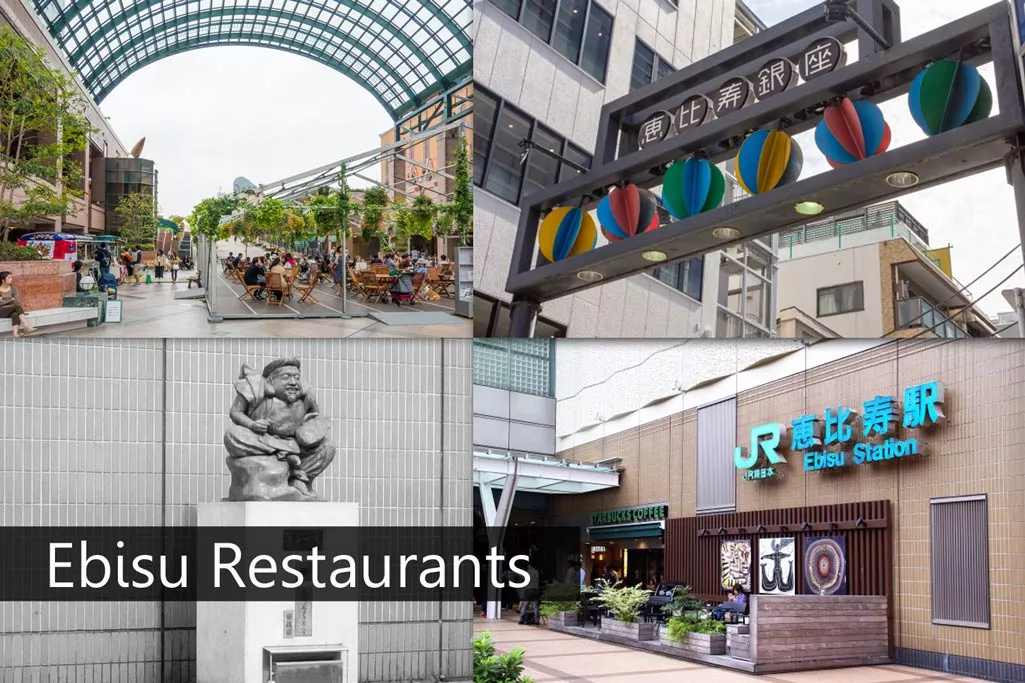
Refined dining scene
- Strong international community
- High-end residential buildings
- Easy access to Shibuya and Tokyo Station
Ebisu remains a top-tier choice for globally minded professionals.
🚅 Tokyo Station (Ranked 5th)
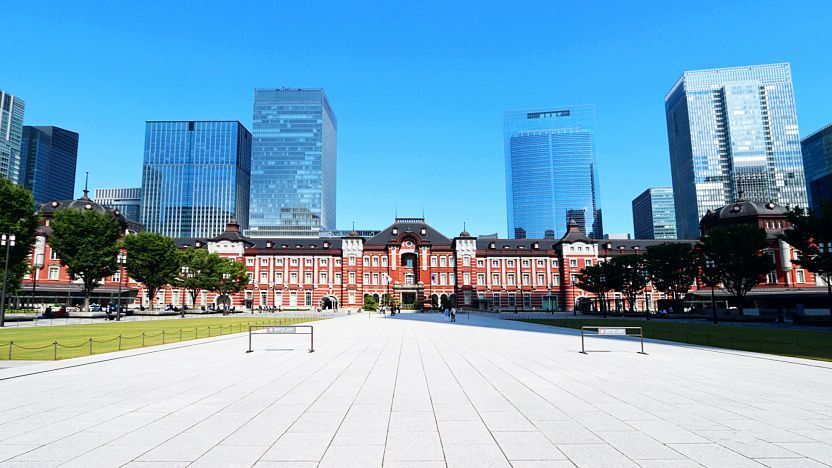
4
- Gateway to all major Shinkansen lines
- Direct airport access
- Surrounded by Marunouchi’s financial district
- Ideal for frequent business travelers
Living near Tokyo Station is a strategic choice for regional or global executives.
🌆 Shibuya (Ranked 10th)

Major tech and startup ecosystem
- Massive redevelopment projects
- Vibrant nightlife and cultural energy
For professionals in tech, media, or venture capital, Shibuya remains highly attractive.
📊 Remarkable Stability in the Top Rankings
The top six stations — Yokohama, Omiya, Kichijoji, Ebisu, Tokyo, and Ikebukuro — maintained identical positions compared to last year.
This level of ranking stability signals:
- Mature, well-established infrastructure
- Consistent resident satisfaction
- Strong long-term residential demand
For property buyers and investors, this stability often indicates lower volatility risk.
🌳 Spotlight on Rank 3: Kichijoji


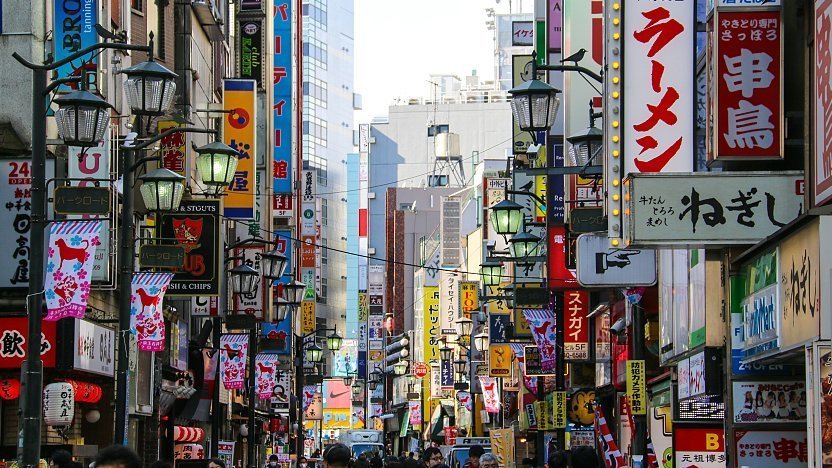
According to the 2026 ranking:
- Rank: 3rd place
- Total Score: 846 points
- Positioned firmly behind only Yokohama and Omiya
- Maintained the same ranking as the previous year
- Major station on the JR Chuo Line
Why Kichijoji Matters for Relocation Decisions
1️⃣ Extreme Ranking Stability
Kichijoji has held 3rd place for at least two consecutive years. Among 9,000 working-age respondents, its appeal remains consistently strong.
2️⃣ Strategic Location
- Direct JR Chuo Line access to Shinjuku (approx. 15–20 minutes)
- Easy commuting to central business districts
- Well-connected yet outside the hyper-dense urban core
3️⃣ Balanced Urban Lifestyle
While the survey focuses on statistical data, Kichijoji is widely associated with:
- Access to Inokashira Park
- Strong shopping and dining streets
- A blend of residential calm and urban vibrancy
For dual-income professional couples or families wanting proximity to Tokyo without living inside it, Kichijoji is often the “ideal compromise.”
📈 Rising Stars: Next Break Areas to Watch
Beyond central Tokyo, several areas are gaining momentum.
🚉 Omiya (Ranked 2nd)
- Largest terminal in Saitama
- Strong commuter infrastructure
- Affordable relative to central Tokyo
📍 Record High Rankings Since 2018:
- Funabashi (12th)
- Maihama (15th)
- Tsukuba (24th)
Tsukuba, often called a “Science City,” is particularly attractive for researchers, academics, and families seeking spacious housing.
Also Reaching Historical Highs:
- Ofuna (43rd)
- Tachikawa (49th)
These rising areas often provide:
- Larger homes
- Lower price per square meter
- Improving infrastructure
- Increasing retail and commercial development
What This Means for Expats & Foreigners
When relocating to Japan, the decision should balance:
- Commute time
- International school access
- Business district proximity
- Airport connectivity
- Lifestyle preference (urban vs suburban)
- Investment potential
- Long-term resale stability
The SUUMO ranking provides data-backed insight into real resident satisfaction, which is far more reliable than marketing brochures.
Final Thoughts: Where Should You Live in Japan?
Whether you prefer:
- A vibrant tech hub (Shibuya),
- A refined international district (Ebisu),
- A coastal cosmopolitan city (Yokohama),
- Or a balanced, lifestyle-oriented neighborhood (Kichijoji),
Greater Tokyo offers a wide spectrum of living environments.
If you are planning a relocation to Japan — or considering purchasing property as an expat — understanding these ranking trends can help you make a smarter long-term decision.
If you’d like a personalized consultation based on your industry, commute needs, family situation, or investment strategy, feel free to reach out.
Finding the right neighborhood isn’t just about convenience.
It’s about designing your next chapter in Japan strategically!